



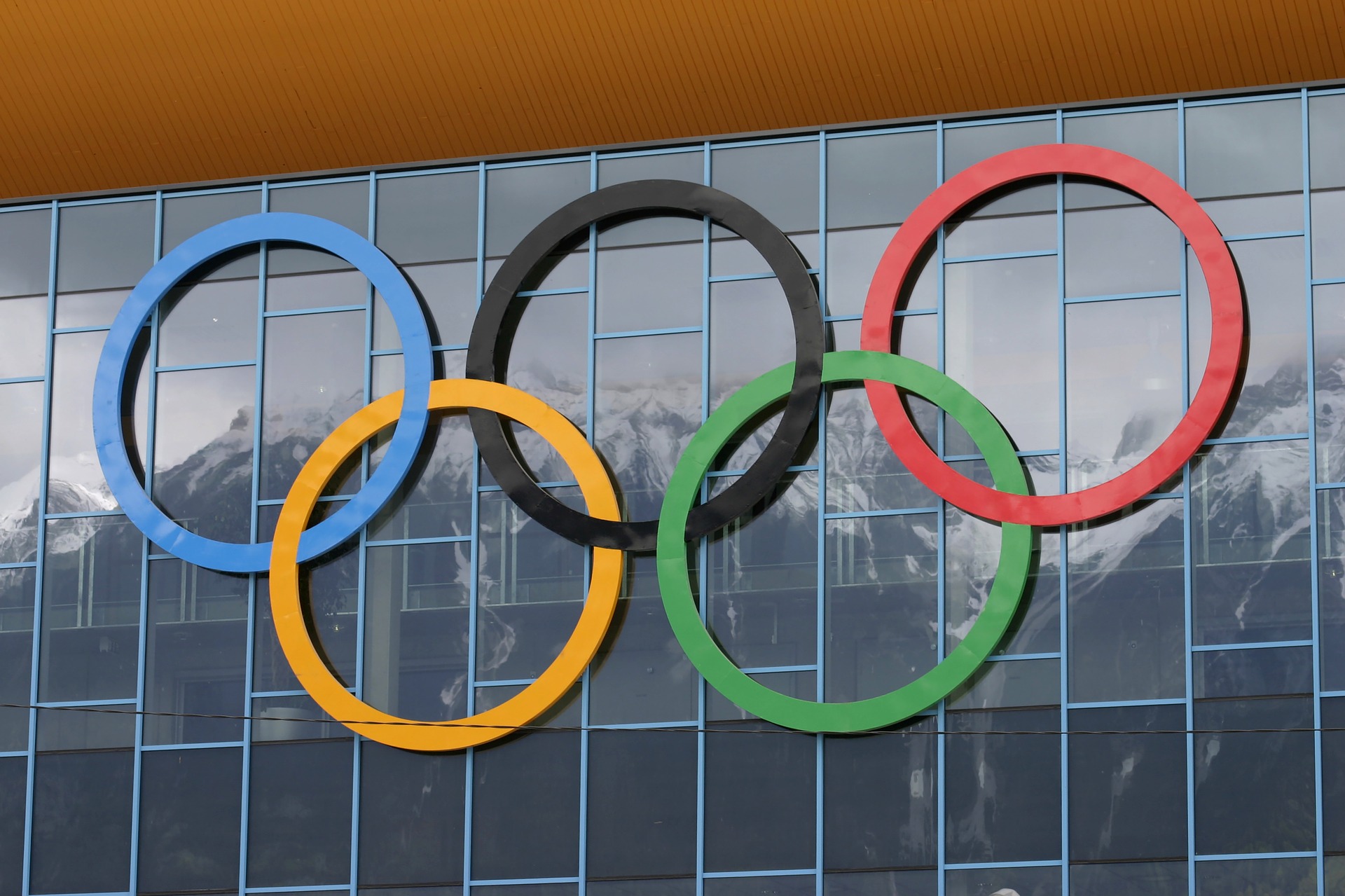
In recent years, Poland has increasingly appeared in public debate as a country considering the long-term possibility of hosting the Olympic Games. While no formal bid has yet been submitted, discussions around Olympic ambitions reflect broader strategic thinking about sports infrastructure development, urban transformation and international positioning. From an investment and planning perspective, the Olympic concept is less about a single event and more about a multi-decade infrastructure and development programme.
Olympic Games as a Strategic Development Tool
Modern Olympic projects are no longer evaluated solely through the lens of sporting prestige. Increasingly, they are treated as complex national and metropolitan investment programmes, integrating transport, housing, sports facilities and public space regeneration. In this context, Poland’s interest in the Olympic Games aligns with trends seen in recent host countries, where the emphasis has shifted towards:
- long-term usability of sports venues,
- modular and temporary infrastructure,
- decentralised competition formats,
- integration of Olympic facilities into everyday urban and regional sports systems.
For Poland, any potential Olympic concept would likely focus on leveraging existing infrastructure while selectively developing new, training-oriented venues that would remain in use long after the Games.
Infrastructure Readiness and Investment Challenges
Poland has made significant progress over the past two decades in developing large-scale sports infrastructure, including stadiums, arenas and training centres. However, hosting the Olympic Games would require further investments in:
- specialised Olympic-standard training facilities,
- athletics, swimming and indoor sports centres with legacy use potential,
- athlete villages adaptable to post-Games residential or academic functions,
- transport connectivity between host cities and competition clusters.
From an investment standpoint, a Polish Olympic project would need to prioritise training and legacy facilities over iconic, single-purpose venues. This approach would reduce financial risk and strengthen the justification for public funding.
A Decentralised Olympic Model for Poland
Given Poland’s geographic size and multi-city urban structure, a potential Olympic concept would most likely adopt a decentralised model, with competitions hosted across several metropolitan areas rather than concentrated in a single city. Such a model could:
- distribute investment benefits regionally,
- reduce pressure on one urban system,
- make use of existing sports clusters and training bases,
- support nationwide sports participation and development.
This approach is consistent with current International Olympic Committee (IOC) recommendations, which encourage flexible, cost-effective hosting strategies.
Training Facilities as the Core Legacy
From the perspective of sports development, the most valuable outcome of an Olympic project would not be the Games themselves, but the creation of a national network of high-quality training facilities. These could serve:
- elite athlete preparation,
- youth talent development,
- national team programmes,
- international training camps.
Investments in athletics centres, swimming complexes, multi-sport halls and sports science facilities would significantly strengthen Poland’s competitive capacity while delivering long-term social and health benefits.
Economic and Social Considerations
Any serious Olympic planning process would require a rigorous assessment of:
- public finance sustainability,
- long-term operating costs of new venues,
- community access to post-Games infrastructure,
- environmental impact and climate resilience.
Public acceptance would depend largely on whether Olympic-related investments are perceived as useful, accessible and durable, rather than symbolic or prestige-driven.
Conclusion: From Vision to Feasibility
At present, Poland’s Olympic ambitions remain at the level of strategic discussion rather than formal commitment. Nevertheless, these conversations play an important role in shaping national thinking about sports infrastructure, urban development and international competitiveness.
If approached pragmatically — with a strong focus on training facilities, legacy use and decentralised infrastructure — a future Olympic project could become a catalyst for sustainable sports development in Poland. Until then, the debate itself highlights the growing recognition of sport as a key component of long-term investment planning and public policy.